Business Deductions, Without the Guesswork

Business deductions shouldn’t feel confusing, but many owners find themselves second-guessing them every year. The problem usually isn’t that anyone is doing something shady. It’s that deductions feel intuitive, and the rules are not.
Spending money in your business is easy. Deducting it correctly takes a little more intention. Once you understand how the IRS actually looks at expenses, deductions become far less stressful and much easier to handle with confidence.
Let’s walk through how deductions really work, where people tend to get tripped up, and how to approach them without overthinking it.
Why Payment Method Doesn’t Matter
Using a business bank account or credit card does not automatically make an expense deductible.
The IRS doesn’t care how you paid for it. They care why you paid for it.
Every deductible expense has to be ordinary for your work and necessary to run your business. If it exists mostly for personal reasons and just happens to run through the business, it usu...
What Your Accountant Needs From You This Tax Season

Tax season rarely goes off the rails because of complicated tax law.
It usually breaks down because of missing information, slow responses, or assumptions that someone else is handling it. A smooth tax season is less about perfection and more about being prepared and responsive.
Show Up Early
Even in a digital world, you cannot disappear and expect your accountant to magically fill in the gaps. You have to raise your hand and say, I’m ready.
That might be a quick email, a short call, or a scheduled drop-off. The goal is simple. Let your accountant review what you have and tell you early if anything is missing.
That one step can save weeks.
Bring What Matters
Your accountant does not need every document you have ever touched. They need clean, complete financials.
Start with:
A full-year Profit and Loss statement, ideally compared to the prior year
A full-year Balance Sheet, also compared to the prior year
Make sure bank and credit card accounts are reconciled.
Then include ta...
A Better Way to Start Tax Season
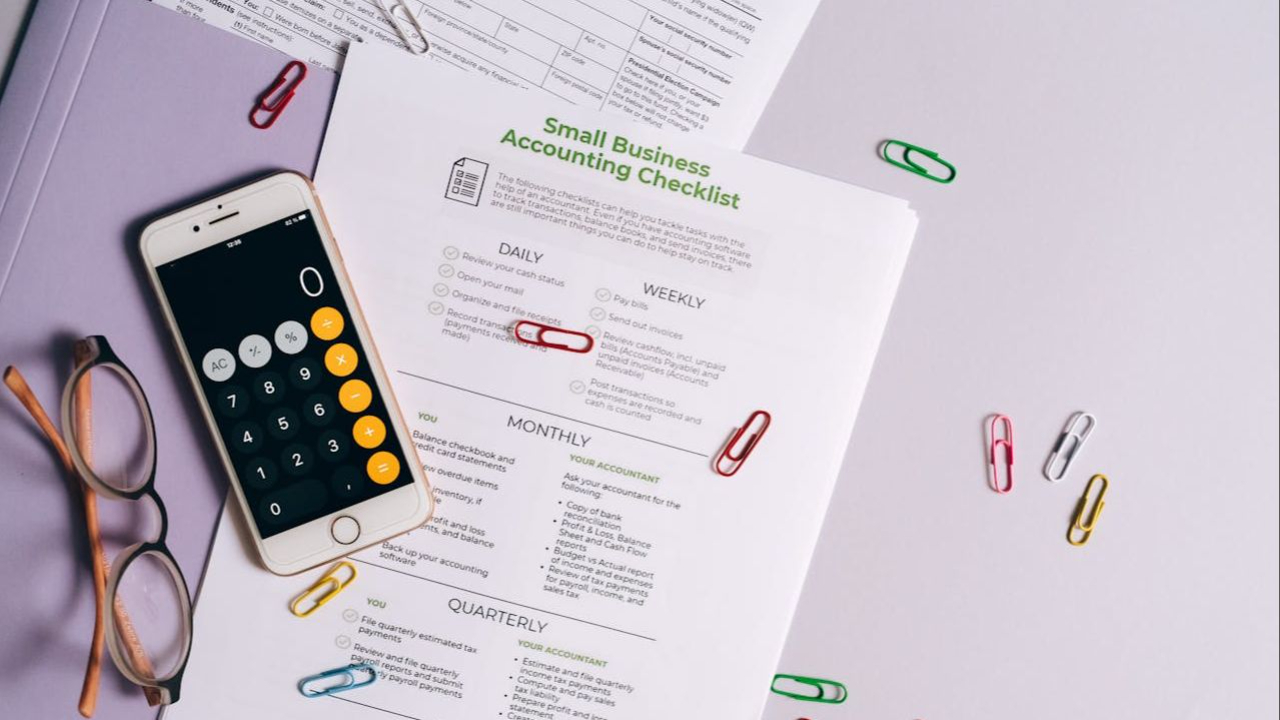
Most business owners think tax season starts in March or April. That’s why tax season ends up feeling chaotic. In reality, there are many things to be done in January that will set things up for a more manageable tax season.
What you do this month determines how much time, money, and energy taxes will take later.
Why January Is More Important Than You Think
January may feel disconnected from tax season, but for business owners it sets the tone for everything that follows. What you do this month often determines how smooth or stressful tax season becomes.
By the end of January, W-2s must be issued and 1099s filed for qualifying contractors and vendors. 1099s especially tend to take longer than expected due to missing or incorrect vendor info, and missing these deadlines leads to avoidable penalties.
January is also when your books should be finalized. Bank and credit card accounts reconciled, payroll and payroll taxes confirmed, asset and liability accounts reviewed, and loose end...
How to Find the Perfect Accountant
"How to Find the Perfect Accountant”
By Ellen Rohr & Meaghan Likes
As an experienced accountant in the trades I often get asked this question… “How do I Find a Good Accountant” and I always reply with a picture of the pages from Ellen Rohr's books called “Where did the Money Go” and "How Much Should I Charge" where she first published this list. (I usually include links to where they can buy their own copy.)
Well this year, after answering this question over 10 times in one week - I finally reached out to Ellen and asked her if I could take her witty list, add my personal thoughts & experiences and co-publish it as a blog post. She kindly agreed and so here we are…
How to Find the Perfect Accountant!
When it comes to managing your finances, having the right accountant is absolutely essential. A good accountant not only helps keep you organized (and out of trouble) but can help you make better (& faster) decisions. They can help translate sometimes complex ideas and they shou...
Sending Out your 1099s with Quickbooks Online

Small Business Owner’s Guide:
Sending Out your 1099s with Quickbooks Online
No one enjoys tax season, but as a small business owner, it can be especially stressful.
One of the most important things you need to do at the beginning of each calendar year is send out reporting forms to your employees and the IRS. If you pay non-salaried employees, contractors, or a variety of vendors for services, you will likely need to send out 1099-Misc forms to report these non-employee wages.
Luckily, Quickbooks Online is prepared to help you out, and we’re going to explain every step!

Preparation is Key
If you haven’t kept your books up to date for the previous year, you won’t be able to send out any forms for tax season. If you need help with that, you can check out our guides to bookkeeping basics in the blog section.
Once you’ve got all of your accounts reconciled and ready to go, double check that all of your transactions have payees filled in - this is crucial for the re...
All About 1099s
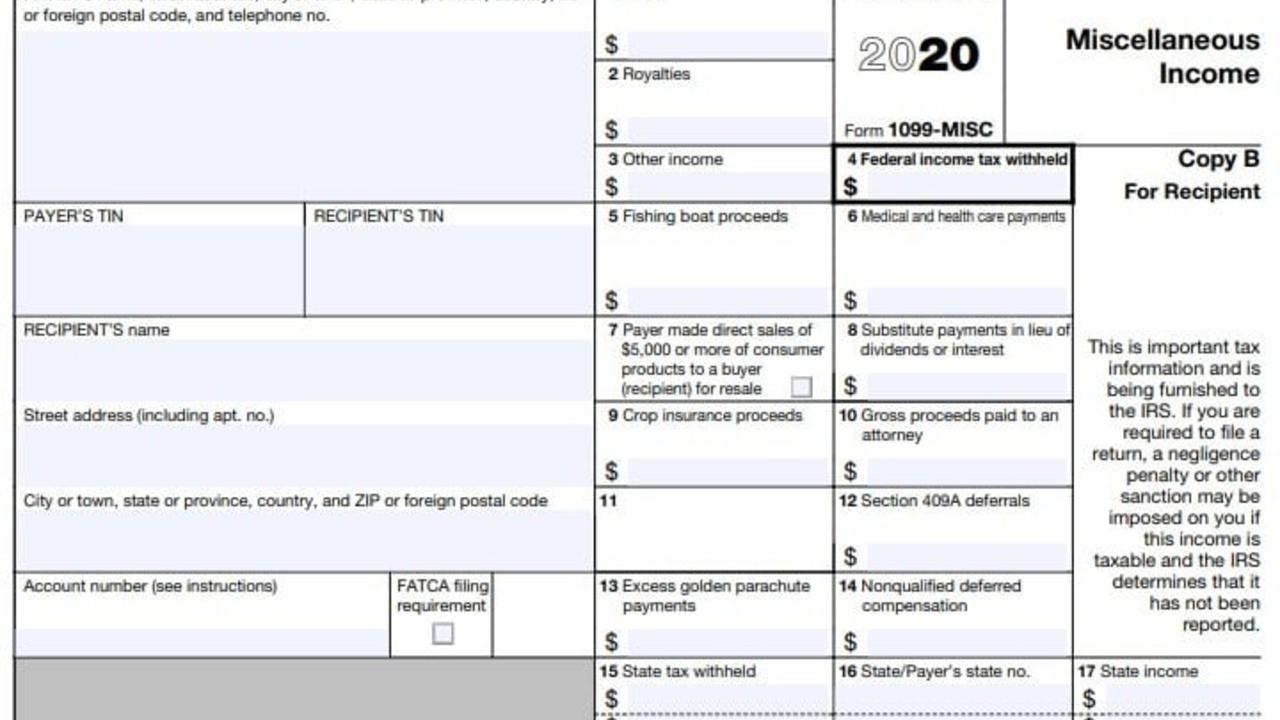
The 1099-Misc form is used to report non-employee income payments. If you only have regular employees, you’ll be giving them each a W-2 instead.
As a small business owner, it’s very likely that you will receive and send a 1099-Misc form at the beginning of the new tax year. These forms are used to show the IRS what you paid any non-employee workers and report income you received from business contracts.
Much Ado About 1099s
As a small business owner, there are several conditions under which you are required by law to send 1099s to your vendors or contractors:
- You paid them 600 dollars or more for:
- Rent
- Non-employee services performed (a contractor)
- Other income payments
- Attorney payments
- Several other specific transactions
1099 forms are one of the ways that bookkeeping will help you stay on top of your tax season responsibilities!
Deadlines and Fees
You are required to send out 1099s by the deadline of January 31st (or since it's a Sunday in 2021 - Februar...
What is Bookkeeping?

“So what is bookkeeping?”
Believe it or not that’s actually one of the most frequently asked questions we get. Small business owners seem to understand that it has to do with basic business finances, but what is bookkeeping really?!
Bookkeeping Basics
“Bookkeeping” is the act of recording financial transactions. Seems simple, right?
Well, wait a second, while we’re here… let’s break down the word “transactions” too, so we have the most basic building blocks of bookkeeping!
What is a Financial Transaction?
There are two general types of transactions you need to record for your bookkeeping, your expenses and your income. At the most basic level, you are recording the money that goes out of your business (an expense) and the money that comes into your business (your income).
Expense Basics
We need to record the money that goes out of our businesses so we can know what our working budget is. As a small business owner, you not only need to know how much money y...
How to Survive Coronavirus as a Small Business

5 Lessons our Small Business Learned During the Global Pandemic of 2020
Like many of you, I’ve spent the past 6 months fighting to rebuild our small business to be strong enough to survive coronavirus. We’ve redesigned our training programs, our marketing systems, our client communication tools and changed our entire business model to be able to keep a “safe distance” and ensure our staff and client’s safety.... And amazingly we've lived to tell the story.
Now, I'm not saying it was easy or that we've done things right (or even well), but we are coming out of 2020 stronger. Below are 5 things we did differently to pivot and stay profitable even after having to lay off all of our staff back in March and rehiring them in April.
Lesson 1: We got lean…
 Like SUPER lean… like I threatened to only cook ramen and considered canceling our $14 per month spotify subscription lean…
By getting intimate with our numbers we figured out how to cut our expenses with care and were able to ri...
Ready, Set, Responsibility: Taxes, Taxes, Taxes

So Many Hats, So Little Time
Choosing the self-employed career path gives you a lot of personal power, and as we know, with great power comes great responsibility.
And one of those responsibilities is paying your taxes... But, just because you’ve chosen to shoulder additional responsibilities as a small business owner doesn’t mean that your stress level needs to rise just as much as your commitments have! You can learn how to cover all of your bases without stretching yourself to a breaking point.

Taxation Before Vacation
One of the reasons tax season can be so stressful is because we try to ignore it for 11 months of the year. Running a business really requires you to be mindful of what and when taxes must be paid, and also how your income affects what you owe.
When you are aware of your tax obligations all year long.... tax season will no longer be a seasonal stressor, instead it becomes a review of what you’ve already done (and saved). For some it can even mean more cash a...
Insuring Success....

Insurance for the Inspired
In this day and age, you can insure just about anything. But understanding what your business vulnerabilities and insurance needs are sometimes confusing enough to make your head spin.
But.... When you do it right.... Your business won't only "survive" in the face of adversity, it can thrive!
In this week's blog post we're wanting to help make sure that you are prepared to face any challenges that may come your way... Below is an overview of the most frequently needed types of insurance coverage for small businesses.
With the help of a good insurance broker and the right coverage you can rest easy knowing you are covered.
General Liability Insurance: Every. Business. Needs. This.
General Liability insurance both defends and covers damages that could be claimed against your business for possible property or bodily damage.
Professional Liability Insurance: This is supplemental to General Liability Insurance, and helps cover claims against error, omissi...