Business Deductions, Without the Guesswork

Business deductions shouldn’t feel confusing, but many owners find themselves second-guessing them every year. The problem usually isn’t that anyone is doing something shady. It’s that deductions feel intuitive, and the rules are not.
Spending money in your business is easy. Deducting it correctly takes a little more intention. Once you understand how the IRS actually looks at expenses, deductions become far less stressful and much easier to handle with confidence.
Let’s walk through how deductions really work, where people tend to get tripped up, and how to approach them without overthinking it.
Why Payment Method Doesn’t Matter
Using a business bank account or credit card does not automatically make an expense deductible.
The IRS doesn’t care how you paid for it. They care why you paid for it.
Every deductible expense has to be ordinary for your work and necessary to run your business. If it exists mostly for personal reasons and just happens to run through the business, it usu...
What Your Accountant Needs From You This Tax Season

Tax season rarely goes off the rails because of complicated tax law.
It usually breaks down because of missing information, slow responses, or assumptions that someone else is handling it. A smooth tax season is less about perfection and more about being prepared and responsive.
Show Up Early
Even in a digital world, you cannot disappear and expect your accountant to magically fill in the gaps. You have to raise your hand and say, I’m ready.
That might be a quick email, a short call, or a scheduled drop-off. The goal is simple. Let your accountant review what you have and tell you early if anything is missing.
That one step can save weeks.
Bring What Matters
Your accountant does not need every document you have ever touched. They need clean, complete financials.
Start with:
A full-year Profit and Loss statement, ideally compared to the prior year
A full-year Balance Sheet, also compared to the prior year
Make sure bank and credit card accounts are reconciled.
Then include ta...
A Better Way to Start Tax Season
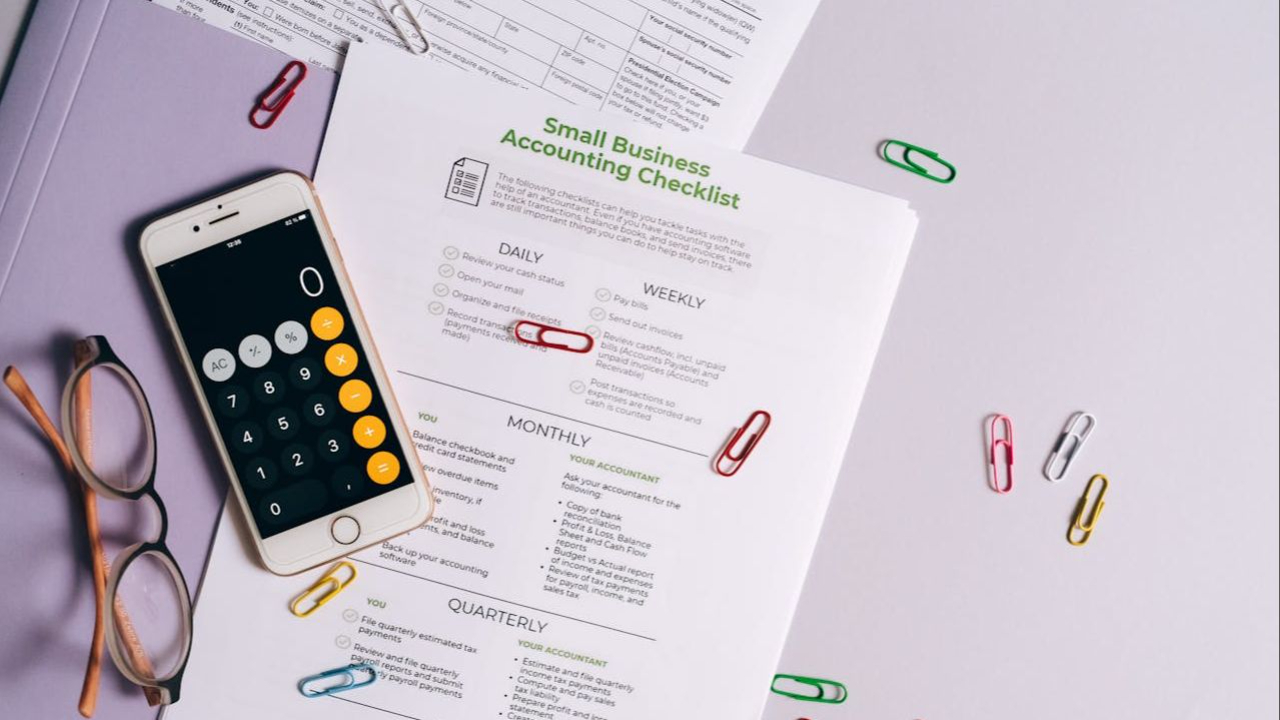
Most business owners think tax season starts in March or April. That’s why tax season ends up feeling chaotic. In reality, there are many things to be done in January that will set things up for a more manageable tax season.
What you do this month determines how much time, money, and energy taxes will take later.
Why January Is More Important Than You Think
January may feel disconnected from tax season, but for business owners it sets the tone for everything that follows. What you do this month often determines how smooth or stressful tax season becomes.
By the end of January, W-2s must be issued and 1099s filed for qualifying contractors and vendors. 1099s especially tend to take longer than expected due to missing or incorrect vendor info, and missing these deadlines leads to avoidable penalties.
January is also when your books should be finalized. Bank and credit card accounts reconciled, payroll and payroll taxes confirmed, asset and liability accounts reviewed, and loose end...