Business Deductions, Without the Guesswork

Business deductions shouldn’t feel confusing, but many owners find themselves second-guessing them every year. The problem usually isn’t that anyone is doing something shady. It’s that deductions feel intuitive, and the rules are not.
Spending money in your business is easy. Deducting it correctly takes a little more intention. Once you understand how the IRS actually looks at expenses, deductions become far less stressful and much easier to handle with confidence.
Let’s walk through how deductions really work, where people tend to get tripped up, and how to approach them without overthinking it.
Why Payment Method Doesn’t Matter
Using a business bank account or credit card does not automatically make an expense deductible.
The IRS doesn’t care how you paid for it. They care why you paid for it.
Every deductible expense has to be ordinary for your work and necessary to run your business. If it exists mostly for personal reasons and just happens to run through the business, it usu...
What Your Accountant Needs From You This Tax Season

Tax season rarely goes off the rails because of complicated tax law.
It usually breaks down because of missing information, slow responses, or assumptions that someone else is handling it. A smooth tax season is less about perfection and more about being prepared and responsive.
Show Up Early
Even in a digital world, you cannot disappear and expect your accountant to magically fill in the gaps. You have to raise your hand and say, I’m ready.
That might be a quick email, a short call, or a scheduled drop-off. The goal is simple. Let your accountant review what you have and tell you early if anything is missing.
That one step can save weeks.
Bring What Matters
Your accountant does not need every document you have ever touched. They need clean, complete financials.
Start with:
A full-year Profit and Loss statement, ideally compared to the prior year
A full-year Balance Sheet, also compared to the prior year
Make sure bank and credit card accounts are reconciled.
Then include ta...
A Better Way to Start Tax Season
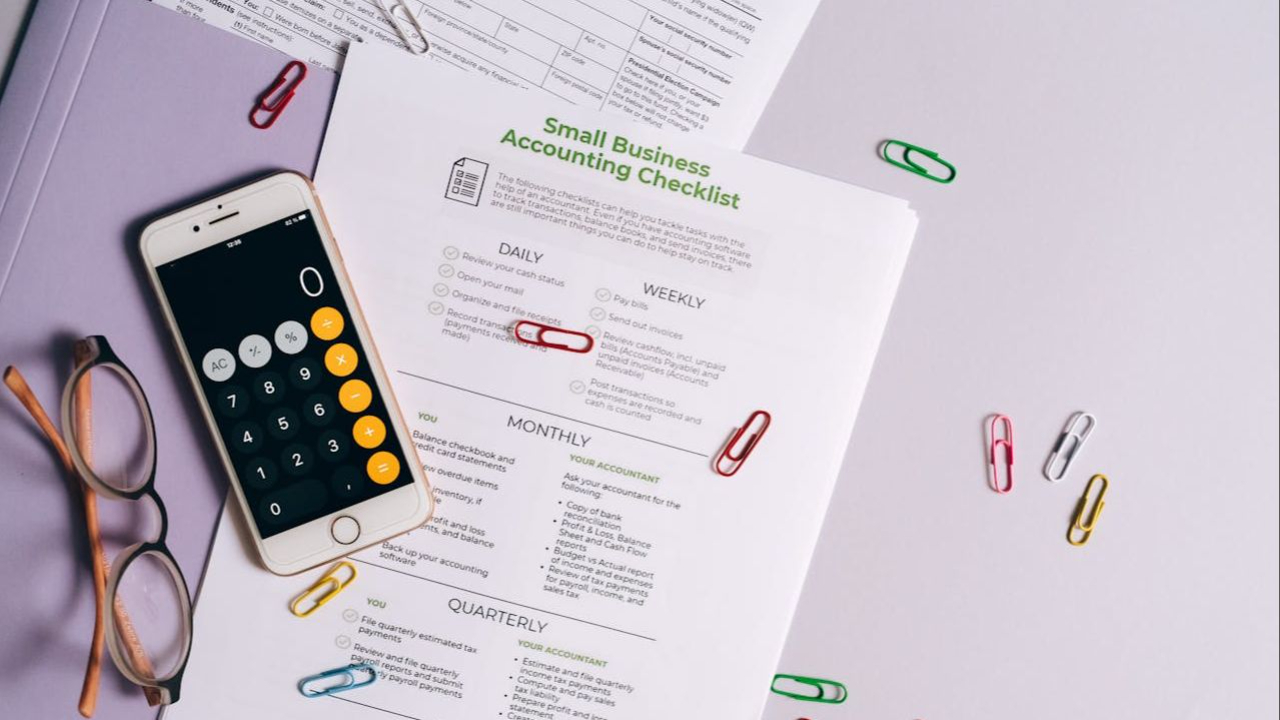
Most business owners think tax season starts in March or April. That’s why tax season ends up feeling chaotic. In reality, there are many things to be done in January that will set things up for a more manageable tax season.
What you do this month determines how much time, money, and energy taxes will take later.
Why January Is More Important Than You Think
January may feel disconnected from tax season, but for business owners it sets the tone for everything that follows. What you do this month often determines how smooth or stressful tax season becomes.
By the end of January, W-2s must be issued and 1099s filed for qualifying contractors and vendors. 1099s especially tend to take longer than expected due to missing or incorrect vendor info, and missing these deadlines leads to avoidable penalties.
January is also when your books should be finalized. Bank and credit card accounts reconciled, payroll and payroll taxes confirmed, asset and liability accounts reviewed, and loose end...
All About 1099s
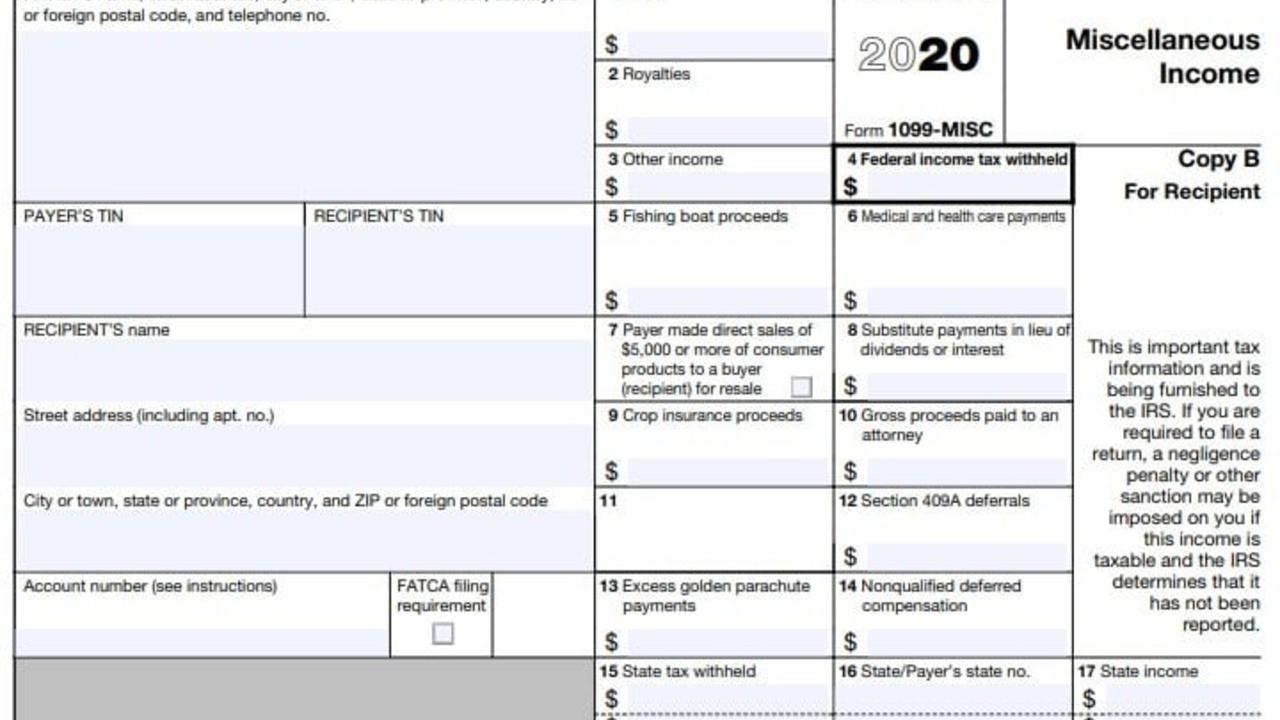
The 1099-Misc form is used to report non-employee income payments. If you only have regular employees, you’ll be giving them each a W-2 instead.
As a small business owner, it’s very likely that you will receive and send a 1099-Misc form at the beginning of the new tax year. These forms are used to show the IRS what you paid any non-employee workers and report income you received from business contracts.
Much Ado About 1099s
As a small business owner, there are several conditions under which you are required by law to send 1099s to your vendors or contractors:
- You paid them 600 dollars or more for:
- Rent
- Non-employee services performed (a contractor)
- Other income payments
- Attorney payments
- Several other specific transactions
1099 forms are one of the ways that bookkeeping will help you stay on top of your tax season responsibilities!
Deadlines and Fees
You are required to send out 1099s by the deadline of January 31st (or since it's a Sunday in 2021 - Februar...
Ready, Set, Responsibility: Taxes, Taxes, Taxes

So Many Hats, So Little Time
Choosing the self-employed career path gives you a lot of personal power, and as we know, with great power comes great responsibility.
And one of those responsibilities is paying your taxes... But, just because you’ve chosen to shoulder additional responsibilities as a small business owner doesn’t mean that your stress level needs to rise just as much as your commitments have! You can learn how to cover all of your bases without stretching yourself to a breaking point.

Taxation Before Vacation
One of the reasons tax season can be so stressful is because we try to ignore it for 11 months of the year. Running a business really requires you to be mindful of what and when taxes must be paid, and also how your income affects what you owe.
When you are aware of your tax obligations all year long.... tax season will no longer be a seasonal stressor, instead it becomes a review of what you’ve already done (and saved). For some it can even mean more cash a...
Small Business Guide to Tax Savings

Tax season is many things, but no one describes it as fun. In our combined 25+ years of accounting and media experience we’ve seen the gamut of incredible and incredibly bad situations. Whether you’ve suffered from being unprepared, overwhelmed, or confused, we’ve been there with clients before, and we’re not going to let you go through it alone!
That's why we're going over some of the strategies we discuss in our free Tax Savings Guide.
Whatever the reason you dread tax time, we have ways that you can save yourself both headaches and money.
Tips to Save on Your Small Business Taxes:
Below are a couple of ways to help you save money on your small business tax return. Secure more deductions on your tax return and be less stressed in the process; it’s easier than you think! If you’re not familiar with the perks of good bookkeeping, you should check out this blog post breaking down exactly why it is so useful to your business.
Business vs Personal Expenses

It might see...
Home Office Deductions

Do you ever work from home?
Do you have a separate space at home designated for regular & exclusive business use?
Now just to be clear….. We’re not talking about the kitchen table or your guest bedroom!
We’re talking about a separately defined space in your home where you only work on your business. If this applies to your business operations from home... then you may be entitled to deduct the expenses for the percentage of square footage your home office occupies.
I was surprised to learn (and you may be too) just how much you can save…. The IRS says this tax deduction brings self-employed persons who qualify, an average tax savings of $3,000 each year!
Okay, so how do we get this deduction? You can claim the deduction one of two ways outlined below....
Regular Method
You can deduct a percent of your actual expenses based on the portion of your home devoted to regular & exclusive business use. Included in the deductible home office expenses could be:
- Combined Totals of ...